Pakistan
Govt plans $615m green financing initiative to avoid 80m tonnes of CO2 emissions
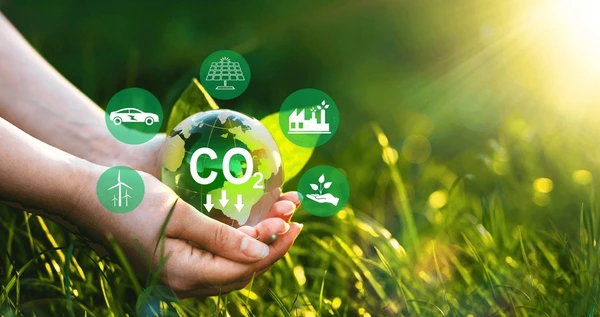
ISLAMABAD, May 18 (ABC): Pakistan is planning a $615 million green financing initiative aimed at improving export competitiveness while avoiding up to 80 million tonnes of carbon dioxide equivalent (CO2e) emissions over the programme’s lifespan.
According to documents available with Wealth Pakistan, the initiative, titled Enhancing Green Export Capacity Through Green Financing, is being led by EXIM Bank in collaboration with local financial institutions and supported through international development financing arrangements.
According to the document, the programme targets key export sectors including textiles, leather, rice, and surgical goods to help industries comply with the European Union’s Carbon Border Adjustment Mechanism (CBAM) requirements and support broader industrial decarbonisation efforts.
The financing package follows a blended finance structure comprising $600 million in concessional lending and $15 million in grant support.
The initiative aims to help exporters adopt clean technologies and energy-efficient production systems at lower borrowing costs while providing technical support for upgrading machinery and introducing renewable energy solutions.
The initiative is planned for nationwide implementation across the targeted sectors and will be delivered through participating financial institutions and development finance mechanisms.
According to the document, the project is aligned with Pakistan’s 2030 emission reduction goals and seeks to strengthen the competitiveness of local exporters amid evolving international environmental standards.
The use of proceeds includes machinery replacement and clean-energy upgrades designed to improve energy efficiency and reduce industrial emissions.
The investment structure has been designed as a blended debt model with foreign exchange cover, while the project’s financial indicators include a net present value (NPV) of $9.9 billion and an internal rate of return (IRR) of 3.08 percent.
The initiative also aligns with Sustainable Development Goals (SDGs) 8, 9, 12, and 13 and identifies skilled industrial employment among its expected outcomes.
The programme represents part of broader efforts to strengthen sustainable industrial practices and support Pakistan’s transition toward lower-carbon economic growth