Punjab Cancer Patients Face Nilotinib Shortage as Free CML Drug Supply Disrupts
RAWALPINDI/LAHORE: Cancer patients in Punjab who rely on the targeted therapy nilotinib are facing growing uncertainty as supplies under the provincial government’s free treatment programme have reportedly become difficult to obtain, raising concerns over treatment continuity for people living with chronic myeloid leukaemia.
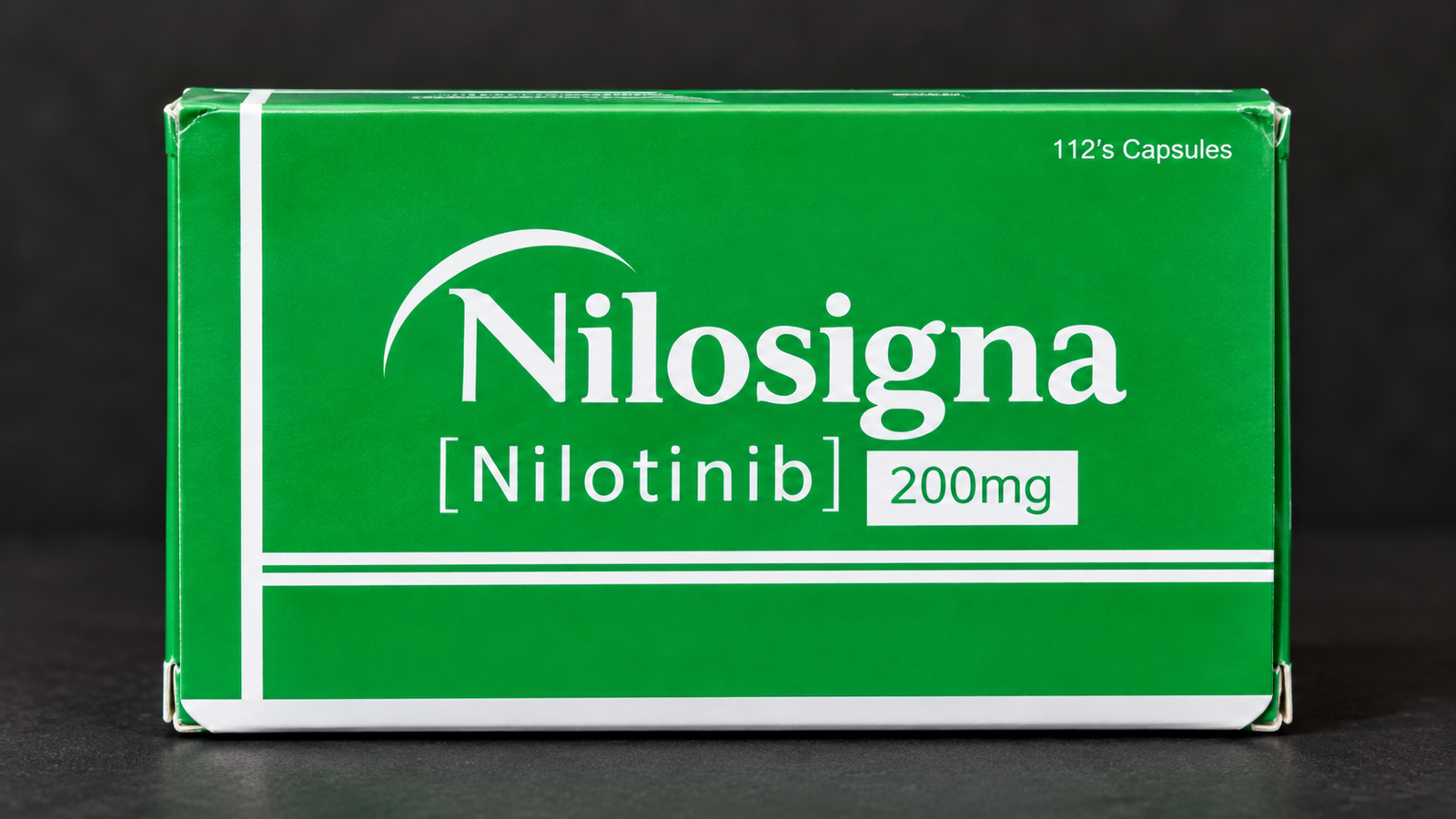
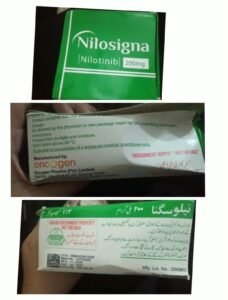
Nilotinib, sold locally under brands including Nilosigna, is a targeted tyrosine kinase inhibitor used primarily in the treatment of Philadelphia chromosome-positive chronic myeloid leukaemia, or CML. For many patients, treatment is long term and must continue according to the schedule prescribed by a specialist.
That makes any prolonged interruption in supply a serious concern.
Patients and families have reported difficulty obtaining the medicine through the government programme in recent weeks, with some saying regular access has remained uncertain for around two months. The exact scale of the current shortage and its cause have not yet been publicly clarified by Punjab health authorities.
It is also unclear whether the disruption is linked to procurement delays, manufacturing constraints, quality testing, contract execution or distribution to designated hospitals.
A programme running for more than a decade
Punjab launched its CML Free Treatment Project in 2014 under an agreement with Novartis Pharma, creating a system through which registered blood cancer patients could receive expensive targeted medicines without charge.
By early 2015, around 1,800 patients had been enrolled in the programme. The number rose to more than 3,100 by 2017 as the initiative expanded across the province.
Major public hospitals were designated to provide treatment, including Holy Family Hospital Rawalpindi, Jinnah Hospital Lahore, Allied Hospital Faisalabad and Nishtar Hospital Multan. Mayo Hospital Lahore later emerged as a key focal institution for the provincial CML programme.
For patients in Rawalpindi and surrounding districts, Holy Family Hospital has historically been one of the important centres through which treatment has been provided.
Why nilotinib matters
Nilotinib is not a general cancer medicine. It is a targeted therapy used for specific forms of CML, including some patients newly diagnosed with Philadelphia chromosome-positive disease and others who do not respond adequately to earlier therapy such as imatinib.
The medicine works by blocking abnormal signals that drive the growth of leukaemia cells.
Because CML treatment is often prolonged, patients may need to remain on targeted therapy for years under specialist supervision. Doctors determine the dose and schedule according to the patient’s disease status, treatment response and medical history.
Patients should therefore not stop, reduce or alter nilotinib treatment on their own because of supply difficulties. Any interruption or substitution needs to be managed by the treating haematologist or oncologist.
Earlier supply disruptions hit thousands
The current concern is not the first time Punjab’s CML programme has faced uncertainty.
The original treatment arrangement later ran into contractual difficulties after the agreement expired in June 2020. In early 2021, more than 5,500 registered patients were reported to have been affected when free medicine supplies were disrupted during delays over renewal of the programme.
The episode highlighted how dependent many patients had become on government-supported access to medicines that are otherwise beyond the reach of most households.
Cancer-drug shortages surfaced again in Punjab in late 2025, when thousands of registered patients were reported to be facing difficulties obtaining different medicines from government hospitals.
Nilotinib was among the drugs whose availability drew attention during that period.
Punjab shifted to competitive procurement
More recent government procurement records show Punjab moving toward competitive purchasing of nilotinib for its CML programme.
For the 2025-26 procurement cycle, the Specialized Healthcare and Medical Education Department invited bids for nilotinib 200mg.
Oncogen Pharma, Novartis Pharma Pakistan and Himmel Pharmaceuticals were among the companies participating in the process.
Official bid-opening records showed a wide difference in quoted prices, with Oncogen emerging as the lowest bidder for the 200mg formulation.
The procurement process also faced objections concerning eligibility and the patent position of generic nilotinib, prompting review by the department’s grievance redressal mechanism.
Those developments make the cause of any present-day supply disruption particularly important.
If medicines have been contracted and procured, authorities need to clarify whether the problem lies with production, quality clearance, delivery schedules or hospital-level distribution.
Cost puts private purchase beyond many families
The financial burden on patients becomes severe when government supplies run out.
Nilotinib remains an expensive medicine in Pakistan, with registered retail prices running into tens of thousands of rupees per pack depending on the brand, strength and pack size.
For a household accustomed to receiving the medicine free through a public-sector programme, repeated private purchases can quickly become unaffordable.
That is precisely why the continuity of the Punjab CML programme matters.
The treatment model was created to protect patients from the enormous recurring cost of targeted cancer medicines. When stocks disappear, that protection weakens immediately.
Patients need answers on stock and supply timeline
The key questions now are straightforward.
Punjab health authorities need to clarify how much nilotinib is currently available across designated CML centres, how many registered patients are waiting for supplies, whether any contracted quantities remain undelivered and when regular distribution is expected to resume.
They should also clarify the status of supplies at major treatment centres, including Holy Family Hospital Rawalpindi and other designated hospitals serving registered CML patients.
For families dealing with blood cancer, the issue is not simply one of procurement paperwork.
It is about whether a medicine they depend on will be available when their next dose is due.
Until the government provides a clear stock position and restoration timeline, patients are likely to remain caught between an interrupted public supply system and a private market where the cost of treatment can be overwhelming.