New air quality monitoring stations planned for 23 districts in Sindh
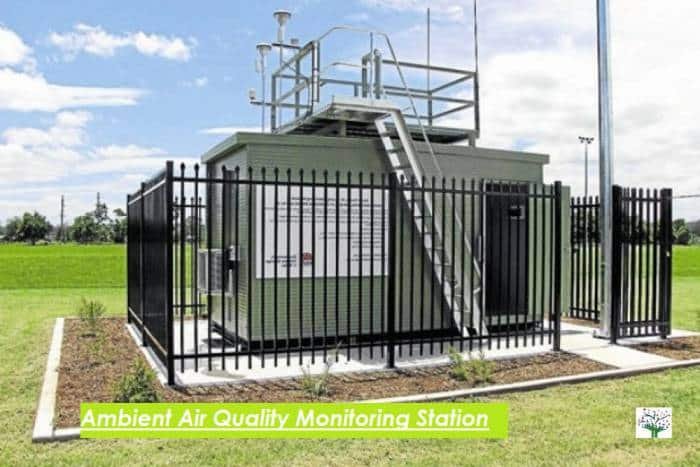
ISLAMABAD, Oct 27 (ABC):The Sindh government has proposed a $7 million project to establish air quality monitoring stations across 23 districts under the World Bank’s Country Partnership Framework (CPF) for Pakistan.
According to documents available with Wealth Pakistan, the proposed initiative, titled “Air Quality Monitoring Network for Air Quality Management Improvement in Sindh – 23 Districts,” aims to strengthen the province’s capacity to monitor air pollution, generate reliable real-time environmental data and support evidence-based measures to address deteriorating air quality.
According to the documents, the project envisages the installation and operation of 23 continuous air quality monitoring stations, along with the development of a real-time monitoring network and associated technical support systems.
The estimated project cost stands at $7 million, while the Environment, Climate Change and Coastal Development Department (ECC&CDD), Sindh, would be the lead implementing agency, with the district administrations being partners in
the proposed initiative.
Under the project, the monitoring stations would be equipped to measure major air pollutants, including carbon monoxide (CO), nitrogen oxides (NO and NO2), sulphur dioxide (SO2), particulate matter (PM2.5 and PM10), suspended particulate matter (SPM) and ground-level ozone (O3).
In addition to measuring pollutants, the proposed network would record meteorological parameters to facilitate a more comprehensive assessment of air quality conditions across Sindh.
The project also includes provisions for equipment calibration, data quality control, networking infrastructure and technical support systems to ensure the reliability and continuity of air quality monitoring.
According to the documents, an existing Continuous Ambient Air Quality Monitoring System (CAAQMS) scheme has already been initiated in Karachi, Hyderabad and Sukkur. However, the remaining districts require the installation of monitoring infrastructure.
The proposed expansion is intended to address these gaps by establishing a broader provincial monitoring network capable of producing consistent and reliable real-time data.
According to the documents, a key objective of the initiative is to strengthen the monitoring and tracking of Pakistan’s Nationally Determined Contributions (NDCs), particularly those related to emissions reduction and climate change mitigation.
The availability of reliable pollution data is expected to support emission-reduction planning, improve environmental policy formulation and provide a stronger technical basis for assessing progress against climate commitments.
The documents also highlight the need to improve public health risk assessments and develop early-warning capabilities through systematic monitoring of air pollutants.
Such information could help the relevant authorities identify pollution trends, assess exposure risks and formulate targeted interventions in areas experiencing elevated levels of air pollution.
Another important component of the proposed project is the establishment of arrangements for long-term maintenance and institutional capacity building to ensure that the monitoring network remains operational beyond the initial installation phase.
Related Stories

China-backed artificial intelligence cooperation could transform innovation across the Global South

Pakistan eyes increased regional trade through Central Asian railway development

China’s equity market sees gains as investors expand long-term holdings