Pakistan and IAEA Sign Safeguards Agreement for Chashma-5 Nuclear Power Plant
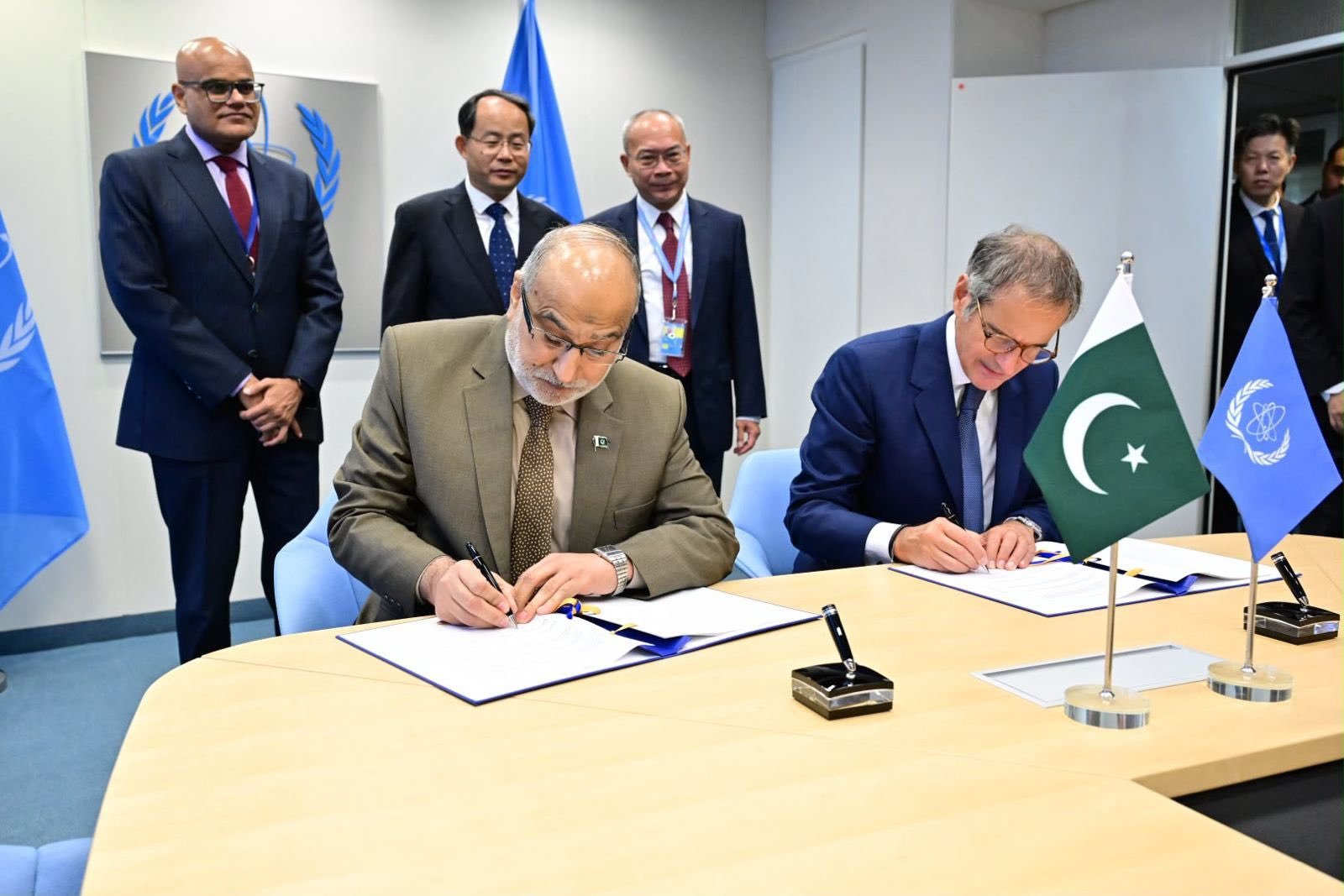
VIENNA, September 15: Pakistan and the International Atomic Energy Agency (IAEA) have signed a safeguards agreement for the 1,200-megawatt Chashma Unit-5 nuclear power plant, marking a key step towards bringing the project under the UN nuclear watchdog’s safeguards framework.
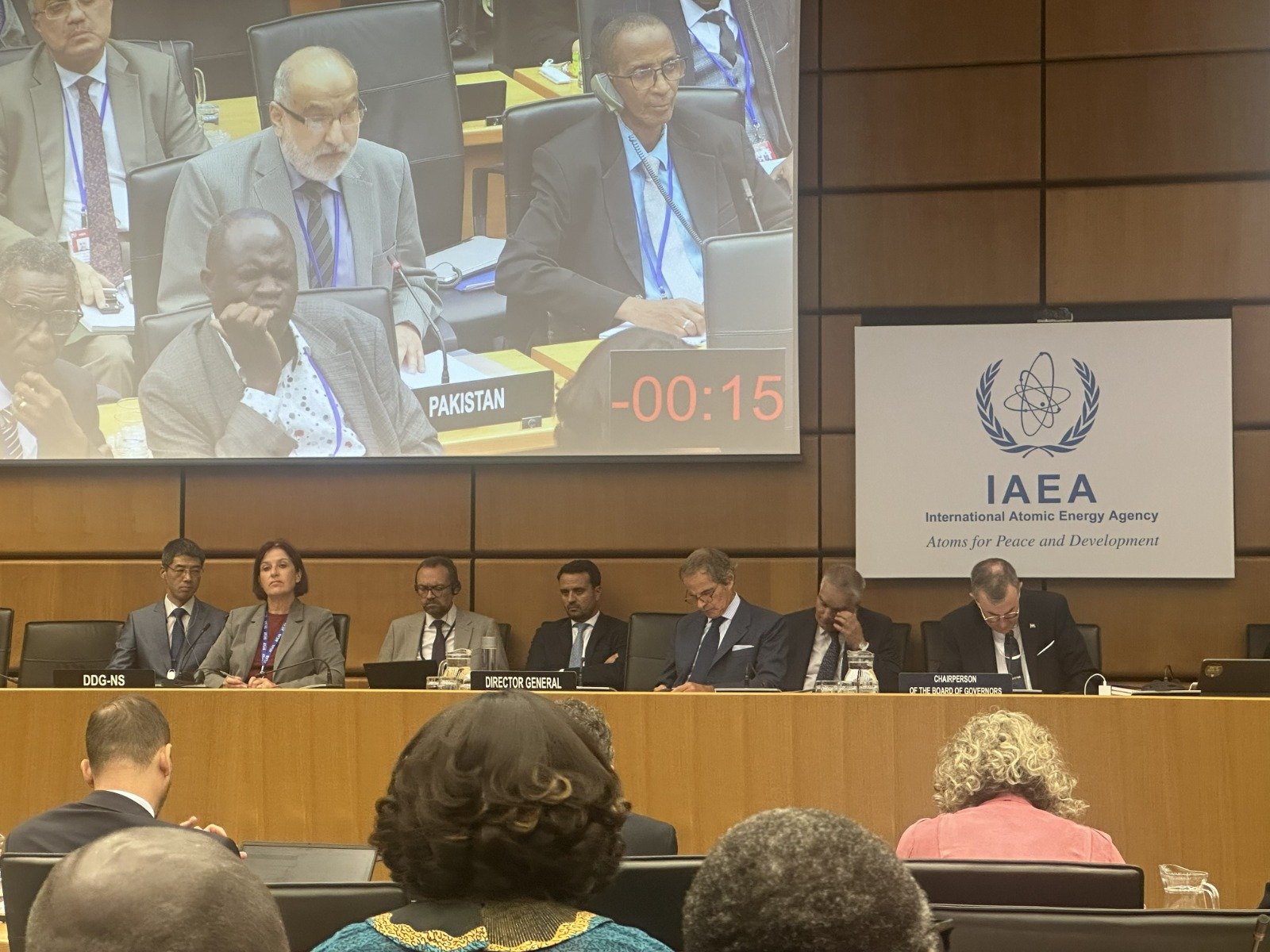
Pakistan Atomic Energy Commission (PAEC) Chairman Dr Raja Ali Raza Anwar signed the agreement with IAEA Director General Rafael Mariano Grossi at the agency’s headquarters in Vienna on the sidelines of the 70th IAEA General Conference.
China Atomic Energy Authority (CAEA) Chairman Shan Zhongde witnessed the signing ceremony.
The agreement covers the application of IAEA safeguards at Unit-5 of the Chashma Nuclear Power Plant, commonly known as C-5.
The IAEA Board of Governors had unanimously approved the safeguards agreement at its meeting in March 2026, paving the way for its formal signing.
According to PAEC, the agreement represents an important step towards implementing safeguards at the new reactor and reflects Pakistan’s commitment to the peaceful use of nuclear energy and its international safeguards obligations.
Chashma-5 Targeted for Commissioning in 2028
Construction of the Chashma-5 nuclear power plant is progressing, with the project scheduled to be commissioned in 2028.
The 1,200MW unit has achieved major construction milestones, including early completion of dome placement, according to PAEC.
Once operational, C-5 is expected to add 1,200MW of nuclear-generated electricity to Pakistan’s national grid.
PAEC said the project would provide low-carbon electricity while contributing to Pakistan’s energy security, climate objectives and longer-term economic development.
Pakistan Operates Six Nuclear Power Plants
Pakistan currently operates six nuclear power plants with a combined installed capacity of 3,530MW, according to PAEC.
The commission said the plants have maintained an average capacity factor of more than 90 percent, while Pakistan has accumulated over 100 reactor-years of nuclear power operating experience.
The country’s existing nuclear power programme forms part of its broader electricity generation mix, with nuclear energy providing a source of baseload power with relatively low operational carbon emissions.
Pakistan, China Discuss Nuclear Cooperation
Separately, Pakistani and Chinese delegations held bilateral talks in Vienna on ongoing and future cooperation in the peaceful applications of nuclear science and technology.
The Pakistani delegation was led by PAEC Chairman Dr Raja Ali Raza Anwar, while the Chinese side was headed by CAEA Chairman Shan Zhongde.
Pakistan’s Ambassador to Austria and Permanent Representative to the IAEA, Mohammad Kamran Akhtar Malik, also attended the meeting.
During his visit, the PAEC chairman also participated as a keynote speaker at two high-level side events organised by the China Atomic Energy Authority, China’s Permanent Mission in Vienna and Chinese organisations working in nuclear science and its applications.
The safeguards agreement comes as work advances on Chashma-5 ahead of its planned 2028 commissioning, when the new unit is expected to expand Pakistan’s installed nuclear power generation capacity.